
What a year of pop culture chaos! From AI actors nobody asked for to comeback albums that actually delivered, 2025 gave us everything—the brilliant, the baffling, and the straight-up embarrassing. Let’s break down the biggest wins and losses of the year, because if we don’t learn from this mess, we’re doomed to repeat it.
THE FLOPS:
Tilly the AI Actor
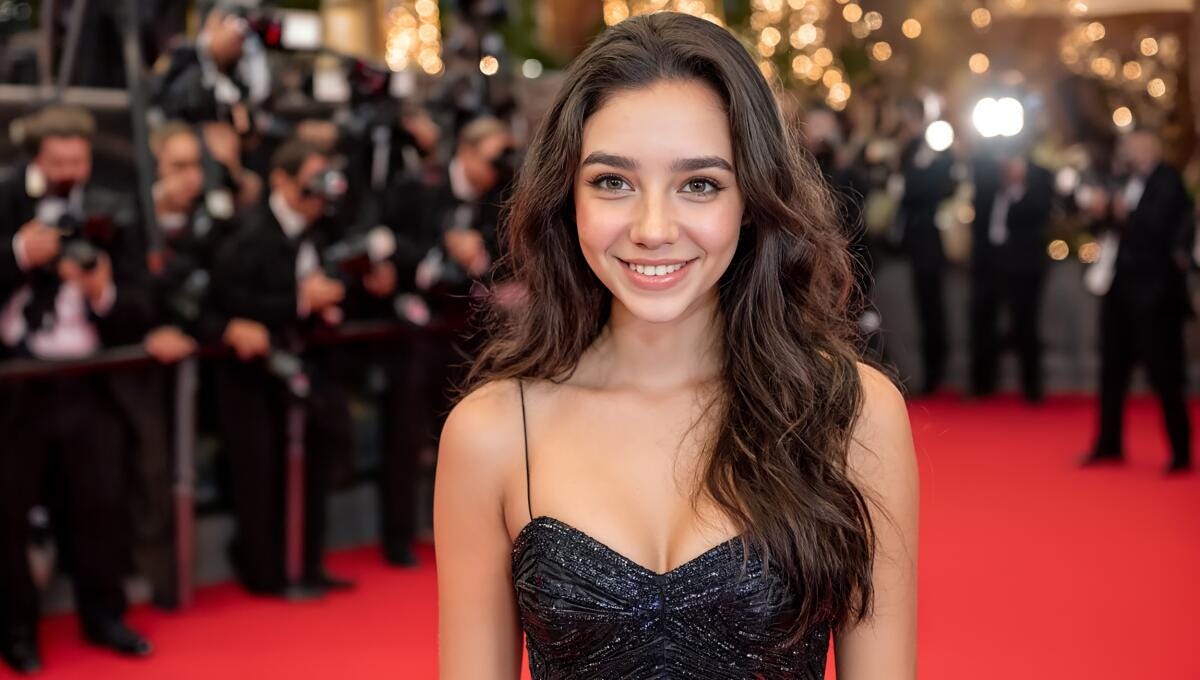
The entertainment industry’s most tone-deaf moment of the year arrived when a video production company called Particle6 introduced its newest creation, Tilly Norwood, an AI-generated actor who could “play any role without the complications of human talent.” The backlash was, of course, immediate and brutal. SAG-AFTRA members rightfully lost it, audiences called it dystopian, and the whole thing reeked of Silicon Valley tech heads completely misunderstanding what makes performance art actually compelling.
The rollout was a PR disaster. The creator tried to position Tilly as “the future of storytelling,” but all anyone saw was job theft dressed up in buzzwords. Within weeks, the project was quietly shelved, the executives responsible were shuffled to “new positions,” and the industry got a harsh reminder that audiences actually care about real humans doing the work. Revolutionary? More like revolting.
Katy Perry’s Lifetimes Tour
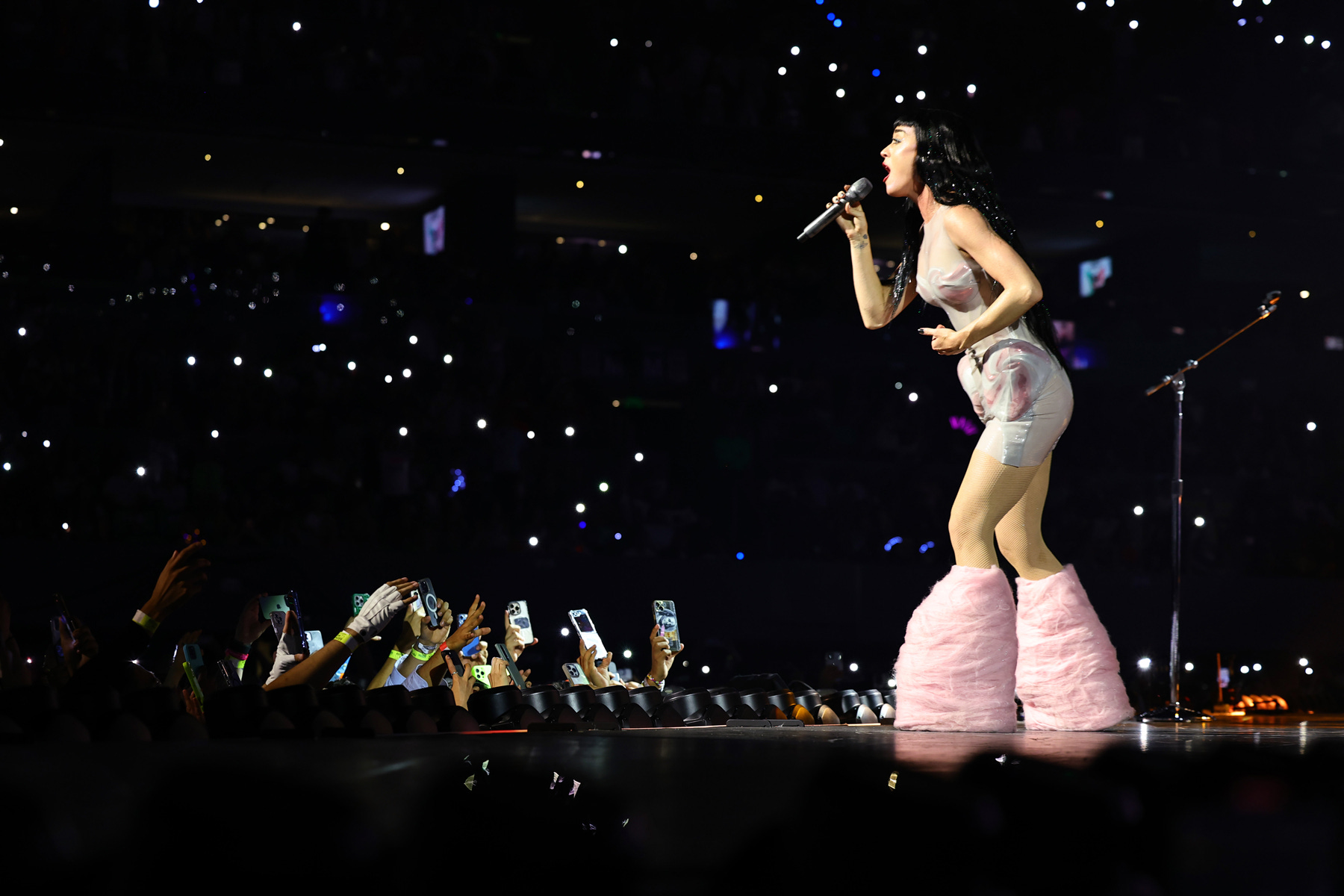
Katy Perry’s 2025 tour was marketed as a celebration, fresh off the heels of her Video Vanguard Award presented to her at last year’s VMAs, and an eerily similar title to Taylor Swift’s triumphant Eras Tour. Instead of a victory lap, it became a cautionary tale about what happens when you lose touch with your audience and fail to keep up with a fast-moving industry. Tickets went on sale at premium prices, but the demand just wasn’t there.
The real tragedy is that Katy has the catalog and the talent, but both the album and the tour felt disconnected from where pop culture actually is right now. The production tried to recreate the spectacle of her imperial phase, but audiences have moved on to intimacy and authenticity. The choreography couldn’t have been worse. (Like, did Jojo Siwa choreograph it?) Multiple dates got canceled or “postponed,” and by the end, this tour had become shorthand for the perils of resting on legacy without evolution.
The TikTok “Ban” That Lasted a Few Hours
The great TikTok ban of 2025 will go down in history as one of the most absurd pieces of political theater we’ve ever witnessed. After years of “national security concerns” and legislative posturing, TikTok actually went dark for American users. Cue the mass panic, the frantic downloading of VPNs, worldwide discourse, and Gen Z having a collective meltdown about losing their primary form of communication and income. For a brief moment, it felt like we were witnessing the end of an era.
And then, just hours later, TikTok was back. The whiplash was spectacular. All that drama, all those think pieces about what a TikTok-less America would look like, all those creators talking about migrating to RedNote—gone in an instant. The whole situation exposed how performative the entire “ban” had been from the start, turned lawmakers into punchlines, and left everyone feeling like they’d just witnessed the most expensive, poorly executed PR stunt in history. It was chaos, it was confusing, and it was peak 2025—lots of noise, zero forethought, and everyone left wondering what the fuck just happened.
Happy Gilmore 2
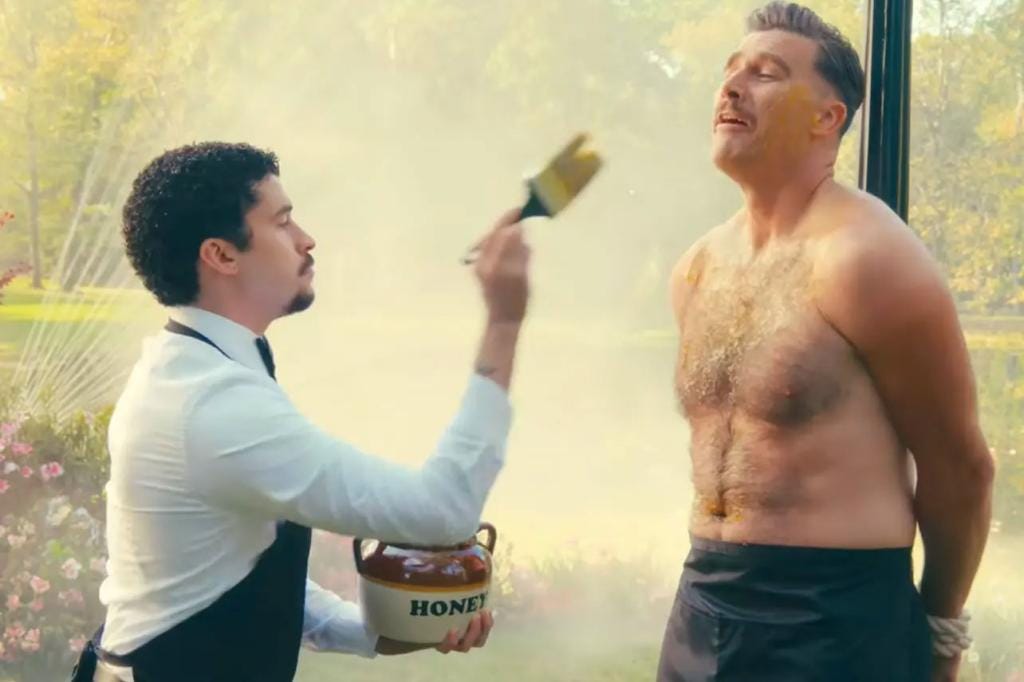
Netflix thought they had a guaranteed hit with Happy Gilmore 2, banking on ‘90s nostalgia and Adam Sandler’s enduring appeal. What they delivered instead was a soulless cash grab that reminded everyone why some movies should stay in the past. The script felt like it was written by an algorithm trained on “remember when” tweets, the cameos were painfully forced and the product placements overshadowed the plot.
This is a perfect microcosm of the perils of Hollywood’s recent obsession with regurgitated IP. This is clearly executives mining our nostalgia instead of trusting new ideas. Critics, audiences and even die-hard Sandler fans admitted this one missed the fairway entirely. The vibe felt cynical, like everyone involved knew they were making something mediocre but did it anyway for the Netflix check. In a year where audiences were desperate for originality, Happy Gilmore 2 became the poster child for Hollywood’s creativity crisis. Some things are better left as perfect time capsules.
Jeff Bezos’ Wedding to Lauren Sanchez
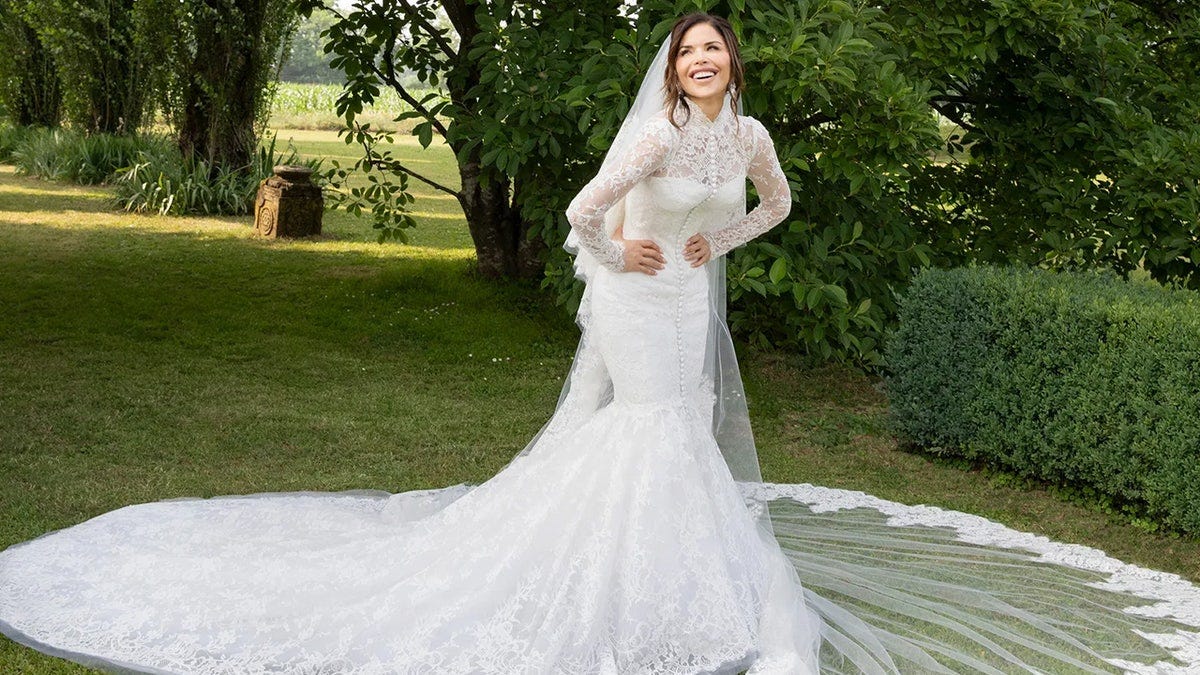
When one of the richest people on Earth gets (re)married, you expect extravagance. What we got instead was a masterclass in how money can’t buy taste or self-awareness. The Bezos-Sanchez wedding became an internet spectacle for all the wrong reasons—over-the-top fashion choices that ranged from “trying too hard” to “is this a costume party?”, and a level of wealth display that felt particularly tone-deaf given, well, everything happening in the world.
Social media had a field day dissecting every detail: the pitiful Grace Kelly and Sophia Loren cosplay, a venue that cost more than most people’s lifetime earnings, and the guest list rife with the cancelled and the capitulating. What could’ve been an elegant celebration instead became a symbol of disconnected excess. The discourse around it perfectly captured 2025’s growing exhaustion with billionaire culture—we’re all just tired of watching people play Marie Antoinette while Rome burns. Read the room, Jeffrey.
American Eagle’s “Good Jeans” Campaign
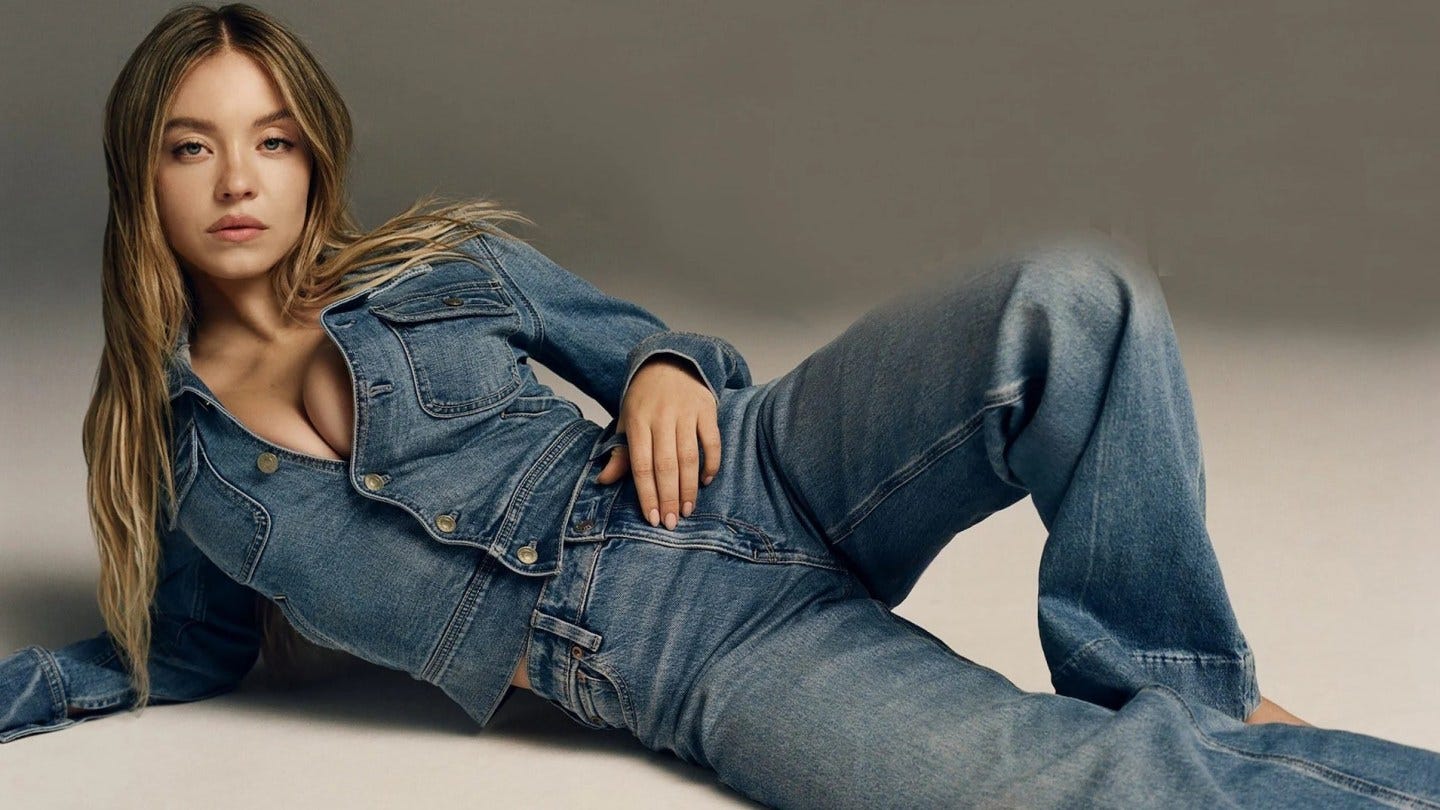
American Eagle thought they had a clever play on words with their “Good Jeans” campaign starring Sydney Sweeney, or perhaps, the dog whistle was intentional. The campaign’s emphasis on blonde hair, blue eyes, and all-American aesthetics hit way too close to some very uncomfortable historical parallels—specifically eugenics-era “good genes” propaganda. The visual language, the casting choice, the script’s wording: it all added up to something that felt like a subliminal signal to appeal to a particular group of Americans.
As I wrote about at the time, there were obvious alternatives that could’ve kept the pun without the problematic undertones. But American Eagle either didn’t see the issue or didn’t care, and the internet rightfully dragged them for it. Both Sweeney and the brand’s responses to criticism were defensive rather than reflective, and the whole situation became a textbook example of what happens when marketing teams skip the “maybe we should think about how this reads” step. Some controversy just isn’t worth it, and this was exhibit A.
Taylor Swift’s The Life of a Showgirl
Even Taylor Swift, the seemingly untouchable force of pop music, had her first real stumble this year. “The Life of a Showgirl” arrived with massive expectations and left fans genuinely confused. The concept felt muddled, the sonic direction was all over the place and the beef was manufactured for clicks and views. For the first time in years, the Swiftie consensus was “this ain’t it.” Initial streaming numbers were strong (because of course they were—it’s Taylor), but the conversation quickly shifted from celebration to concerned analysis, and then worse – no discussion at all.
What made this particularly notable was watching the stan defense machine sputter. Even her most devoted fans struggled to mount a convincing case for the album’s brilliance. The writing felt rushed, the content was boring, and the whole project lacked the narrative cohesion that typically defines Swift’s work. It wasn’t a disaster by usual standards, but for an artist who’s built a career on exceeding expectations, meeting them with a shrug felt like a seismic shift. Sometimes even the greats need a reset — here’s hoping this leads to something better… after a much-needed break.
THE FEATS:
Ryan Coogler’s Sinners
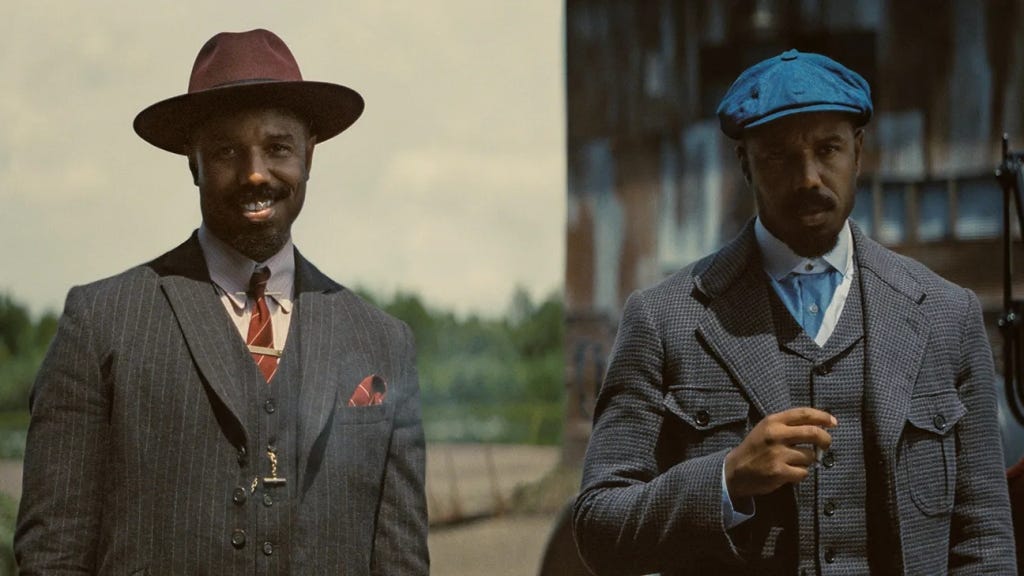
“Sinners” was a film that nobody saw coming and everyone couldn’t stop talking about. The Black-led indie thriller managed to be both critically acclaimed and genuinely buzzworthy, a rare combination in today’s fragmented media landscape. Word-of-mouth was explosive, film Twitter lost its collective mind over the cinematography, and suddenly everyone was trying to avoid spoilers while desperately seeking out screenings.
What made “Sinners” such a feat was how it proved there’s still appetite for original, challenging cinema when it’s actually, you know, good. No franchise fatigue, no IP baggage. Its success gave a much-needed middle finger to the “nobody wants original content” narrative. This is what happens when you trust audiences to show up for originality.
Selena Gomez’s Wedding to Benny Blanco
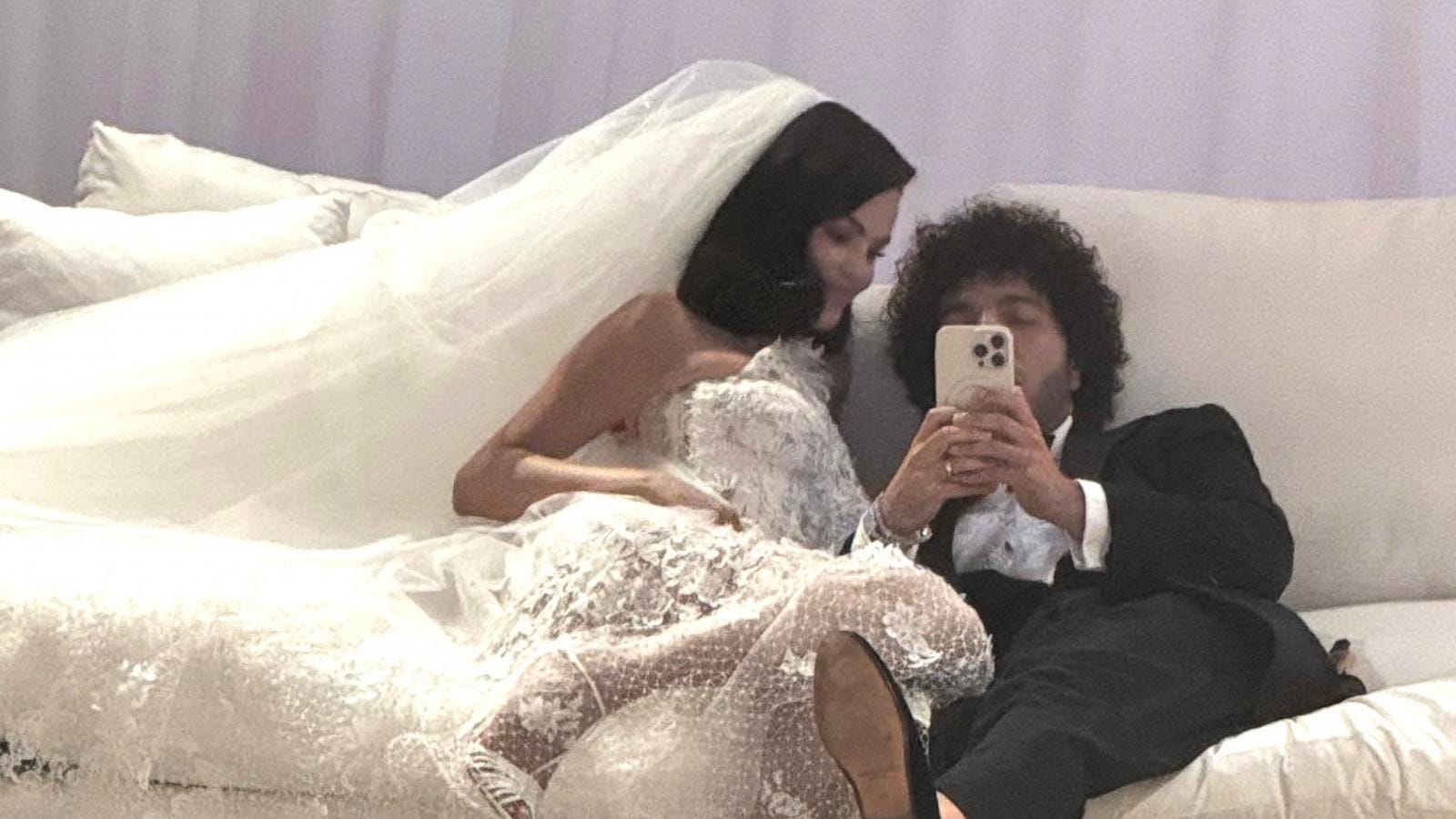
In a year full of celebrity excess and cringe, Selena Gomez’s wedding was a masterclass in doing it right. Intimate, elegant, and genuinely joyful, it was everything the Bezos wedding wasn’t. The fashion was impeccable without being ostentatious, the guest list felt personal rather than transactional, and the whole affair radiated genuine love rather than performance.
Social media fell in love with how Selena handled the entire thing—selective sharing that felt generous rather than exhibitionist, gorgeous aesthetics that didn’t scream “look how rich I am,” and a phone-free vibe that reminded everyone that celebrity weddings can still feel human. In the era of everything being content, Selena proved you can give people enough to celebrate with you without turning your marriage into a brand activation or personal ‘coming out’ party. This was the blueprint for how to demonstrate high-profile romance with grace.
Lady Gaga’s Mayhem
Lady Gaga got her ass up and werked to deliver “Mayhem,” an album that reminded everyone why she’s an unparalleled generational talent. After years of Vegas residencies and acting roles, Gaga came back to pop music with something dark, weird, and absolutely HER. The production was adventurous, the lyrics were sharp, and the whole project felt like an artist reconnecting with her freak flag after playing it safe.
Critics lost their minds, fans went feral, and even the “she fell off” crowd had to admit this was a moment. The rollout was chaotic in the best way—guerrilla performances, fashion that made headlines, and a clear “I’m not here to make you comfortable” energy. “Mayhem” didn’t just meet the moment—it created one. In a year where so many legacy artists fumbled their comebacks, Gaga showed everyone how it’s done. Welcome back, Mother Monster. We missed this version of you.
Cardi B’s Am I the Drama?
After a seven-year hiatus that had people questioning if she’d ever return to the rap game, Cardi B made a major splash with “Am I the Drama?” reminding everyone why she’s one of the defining voices of her generation. The album went platinum within hours, and for good reason—it’s a masterclass in balancing spectacle with substance. Sharp diss tracks like “Pretty & Petty” sit alongside vulnerable divorce anthems like “Man of Your Word,” and the whole project showcases an artist who’s grown without losing any of her bite.
As I wrote in my review, this is Cardi feminizing rap without sacrificing edge, proving she can disappear for nearly a decade and still return to dominate on her own terms. The album isn’t flawless—a few tracks like “Principal” feel like missed opportunities—but it doesn’t need to be perfect to be a success. Critics called it a “massive comeback,” and they weren’t exaggerating. In a year full of underwhelming releases from major artists, Cardi showed up with one of the strongest rap albums of the 2020s. Worth the wait!
Wicked Press Tour Fashion
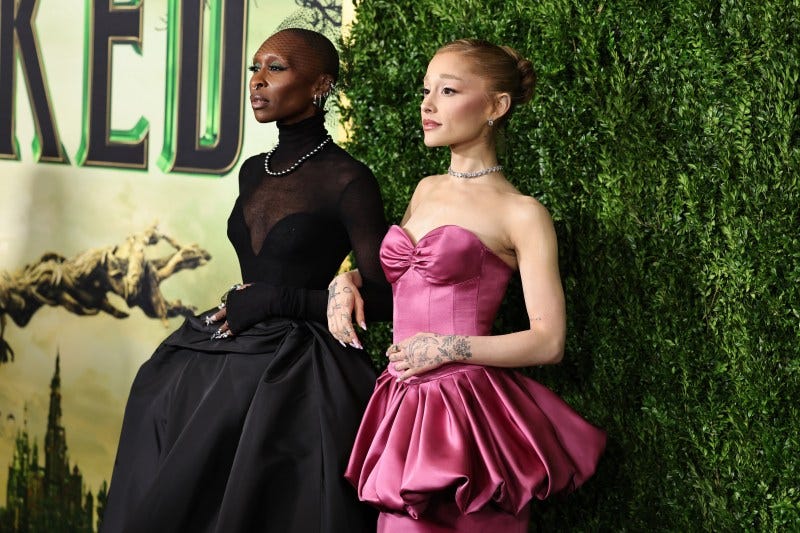
The “Wicked: For Good” press tour became a cultural phenomenon that transcended the movie itself. Ariana Grande and Cynthia Erivo (and their stylists, Law Roach and Justin Bolden, respectively) didn’t just promote a film—they created a masterclass in method dressing, thematic coordination, and how to keep a press tour interesting for months. Every appearance was an event, every outfit told a story, and the internet obsessively documented each Glinda-pink and Elphaba-green moment.
What elevated this from fun fashion to cultural reset was the intentionality behind each look. These weren’t random designer pulls—they were a carefully crafted narrative that honored the source material while showcasing both actresses’ personal style. The chemistry between them was genuine, their mutual support was palpable, and the whole tour became a case study in how to build anticipation. By the time the movie dropped, everyone was so invested in the journey that the film almost felt secondary. That’s how you do a press tour — make the promotion as compelling as (or more than) the product.
Benny Drama’s “Overcompensating”
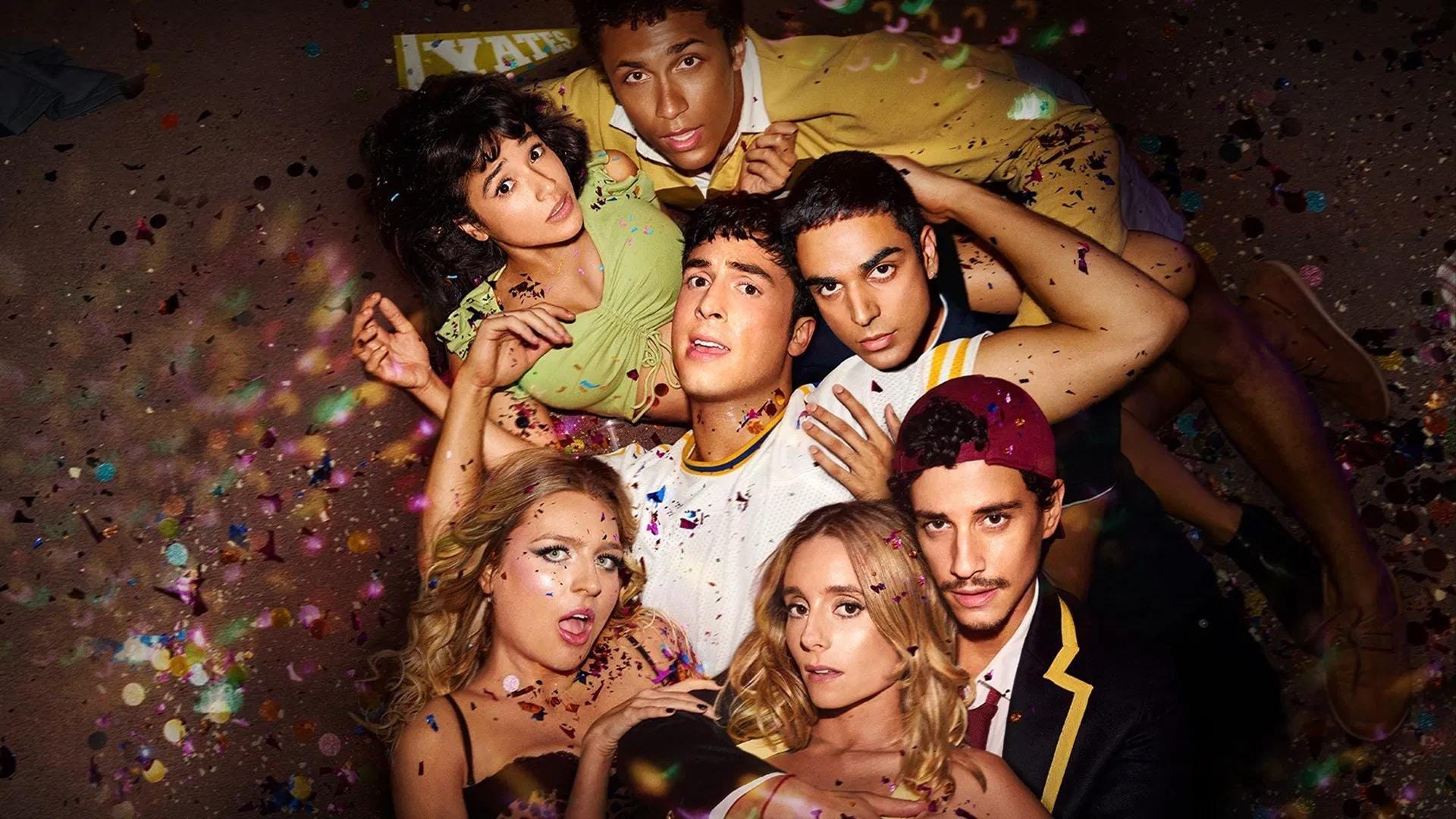
YouTube star Benny Drama dropped “Overcompensating,” a semi-autobiographical limited series about discovering his sexuality during his college years. Rightfully, the internet collectively lost it in the best way possible. The inaugural season was perfect encapsulation of what happens when internet comedy talent evolves into full-fledged artistry. What could’ve been a novelty project instead became a legitimate cultural moment, with clips going viral and critics actually taking it seriously. Benny proved that internet fame can translate into real creative output when you’re willing to take risks.
But the even bigger story was watching Benny Drama and Mary Beth Barone become one of 2025’s most beloved duos. Their chemistry is undeniable, their collaborative content is consistently hilarious, and they’ve managed to build something that feels genuine in an era of manufactured partnerships. Whether they’re roasting celebrity behavior, creating characters, or just riffing together, they’ve tapped into something the internet desperately needed: smart comedy that doesn’t feel like it’s trying too hard. They’re not just internet personalities anymore—they’re actually shaping comedy culture, and “Overcompensating” was the moment that made everyone realize these two are here to stay.
What We Learned
2025 taught us that authenticity and originality still matter, audiences are more savvy than executives think, and sometimes the best moments come from the least expected places. The flops shared a common thread: disconnection from reality, whether through tone-deafness, capitalistic greed, or just horrendous timing. The feats, meanwhile, succeeded because they felt real, took risks, and reminded us that humans still crave genuine emotion in their pop culture.
Here’s to 2026—may it give us more pop gold and fewer AI actors, more romance and fewer billionaire spectacles. The bar has been set!