

Two weeks ago, Macklemore told the crowd at MetLife Stadium that a big reason he joined Ed Sheeran’s tour was to say “Free Palestine” in stadiums. Swiftly, the Israeli-American Council started a petition to remove him, which ultimately no one saw until Pink, who no one knew was Jewish because she cosplayed as biracial for the first third of her career, amplified a post from StopAntisemitism calling his set “propaganda.” And honestly, say what you want about Pink, but at least she’s part of the conversation.
Following this messy display, Macklemore announced his forced departure from The Loop Tour via Instagram, claiming that Sheeran, given an ultimatum by numerous stadium owners, informed him that he was removing him from the remainder of the tour. For some reason, Sheeran then took to Instagram himself, clarifying that removing Macklemore “was the promoter’s decision, it was not mine,” and said he wouldn’t let down fans, crew or other acts by jeopardizing the future of the tour. Ironically, within hours, Aaron Rowe, Lukas Graham and Finneas all announced on Instagram that they were leaving in addition to Beoga who had been playing as Sheeran’s onstage band.
The backlash from fans then poured in across social media, calling Sheeran’s actions “spineless” and criticizing his word choice when discussing the genocide in Gaza, categorizing the atrocities as a “war.” (Mind you, Palestine has no military… I digress)
The problem? Ed Sheeran will not see these posts. Because he hasn’t had a phone since 2015.
The Access Era
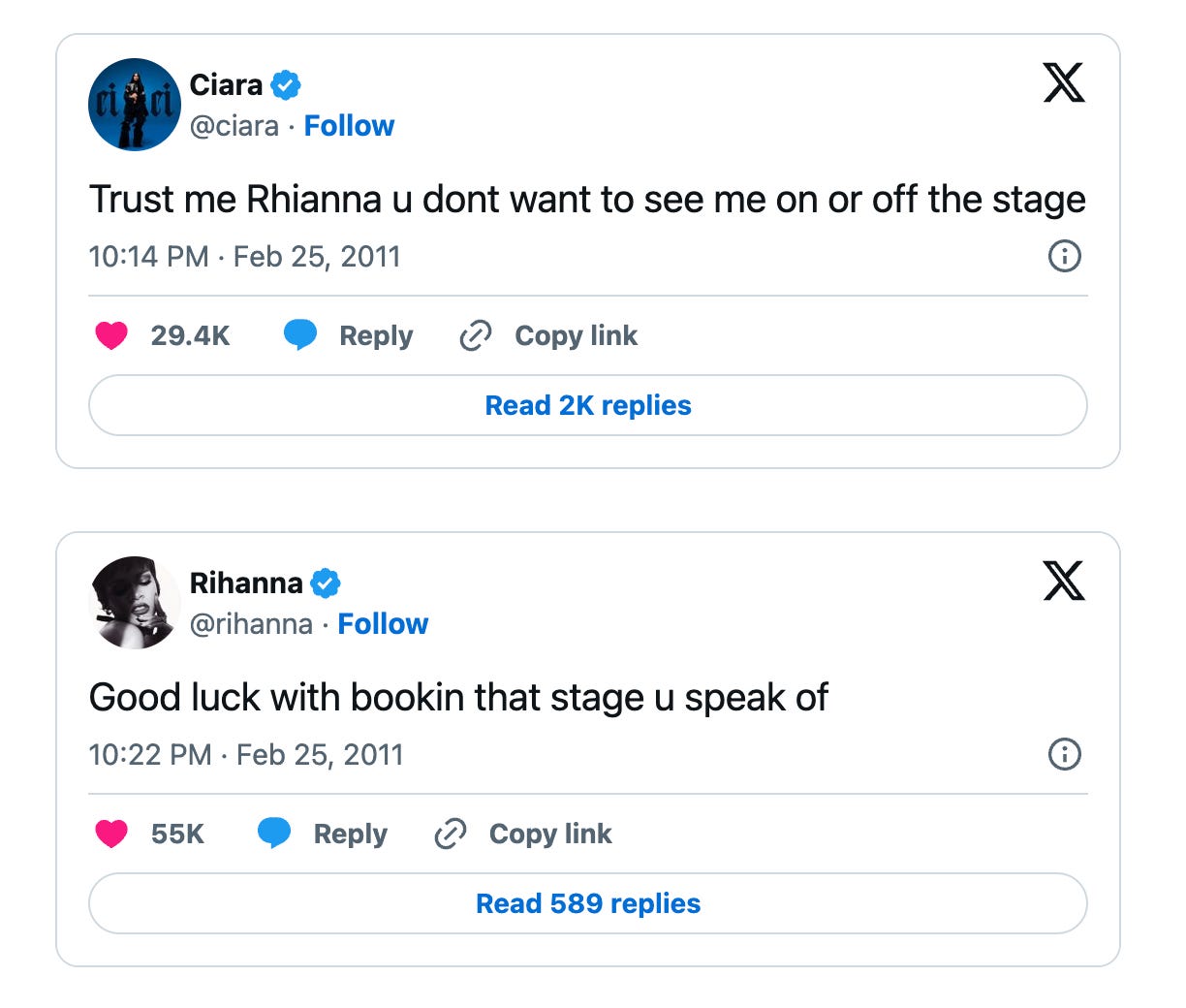
In the days before social media became mainstream, celebrities essentially lived on a separate planet from the rest of us. They were inaccessible, they were near deities. The most intimate interaction you could have with them involved an autograph that was addressed directly to you. Then, around 2009, our favorite celebs including Rihanna, John Mayer and Miley Cyrus were active and unpolished on Twitter and YouTube, before Instagram came along a year later. This created a new dynamic between public figures and their fans, allowing for direct communication, a peek behind the veil, and, much to their dismay, immediate feedback. The latter element eventually drove many famous folks back offline, preferring to live within a bubble curated for them by their loved ones and management, rendering them disconnected from public opinion and global conversations.
The Retreat
Some time around 2015, celebrities decided they simply couldn’t handle live feedback. They felt overwhelmed by the consumer reaction to the art they put out into the world. Ed Sheeran in particular said that his phone left him sad and in a low place. He now opts to use his iPad for occasional posting. He admits that this has left him distant from many people.
Following Snakegate, Taylor Swift also ceased using social media for personal content and exclusively began using it as a professional platform to promote her upcoming projects. Prior to this, she’d post with her friends, even boyfriends, and of course, with her cats. Following the fallout with Kim Kardashian, timed dangerously close to her beefs with Calvin Harris and Katy Perry, fans of her rivals began flooding her comments. In response, Instagram made her account the first live test of a filter that auto-deletes chosen words and emojis, then released it to everyone in September 2016. In August 2017 she wiped her Instagram, Twitter, Tumblr and website and returned with a snake video. She did no interviews for Reputation, and new posts had comments turned off.
While these two are the poster children for the social media retreat, they aren’t alone. Many celebrities either straight up do not have social media (Jacob Elordi, Emma Stone, etc.) or follow the Taylor method of having a team post for them. Selena Gomez, one of the most-followed people on the platform, told Elle in 2021 that she doesn’t have Instagram on her phone at all. “I don’t have it on my phone, so there’s no temptation,” she said. By 2023 she was explaining the workaround to Vanity Fair: her assistant has the passwords and does the posting. “Everything I do I send to my assistant who posts them.” The comments get handled the same way. Her team collects a few encouraging ones and passes those along. Now, I have my doubts about the truth of this given her frequent IG Story crashouts, but that’s neither here nor there.
While these public figures’ mental health concerns are real and valid, there is a cost that comes with their mental peace.
The Cost of Cowardice
Wealth has always insulated famous people. What changed in the access era is that for about seven years, they had a live read on the people buying their records. Not a report. The actual comments, from the actual fans, arriving unsorted. You could see when your audience was broke, when they were scared, when they had moved somewhere you hadn’t followed. It was unpleasant and it was accurate.
Public figures’ departure from the social media landscape (apart from their marketing efforts) has not stopped nor slowed the constant stream of public discourse. It exists with or without their participation. The trade off for their peace of mind is their disconnection from these discussions.What a celebrity knows now about where their fans are — emotionally, financially, politically — is spoonfed to them by their teams, creating an implicit bias and limiting their understanding of what’s important to their fans.
This has been made clear, especially since COVID. While the rest of the country was panicking over how they were going to make a living, raise their kids and keep elder family members safe, celebrities were attending huge parties in the Hollywood Hills. Since then, they’ve been immune to the economic fallout.
 Tiktok failed to load.
Enable 3rd party cookies or use another browser
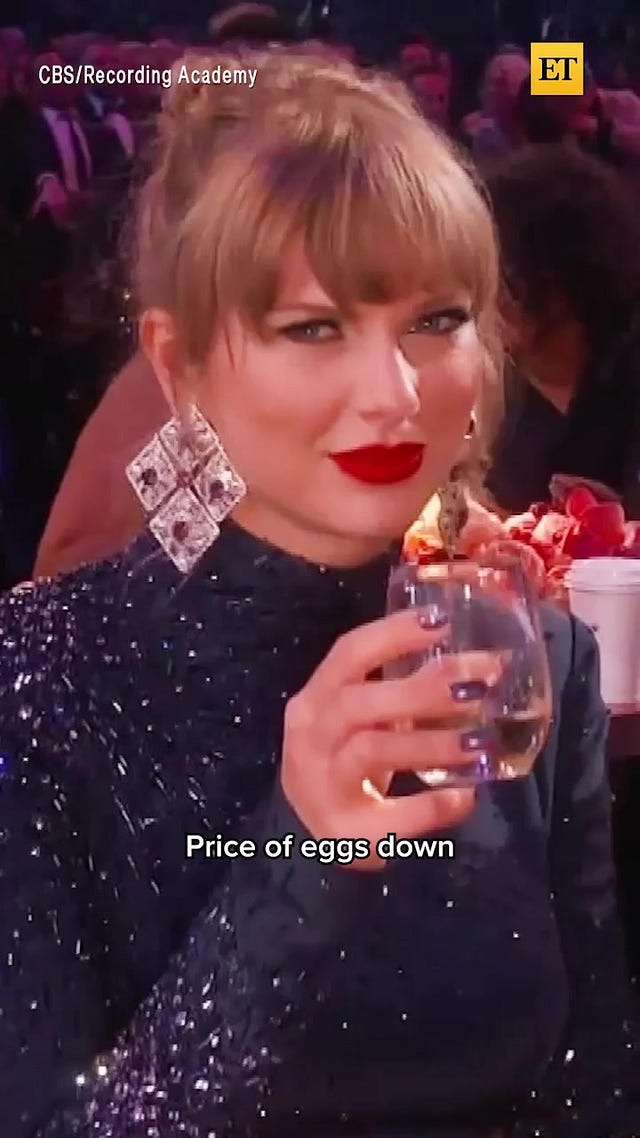
At the 2023 Grammys, Trevor Noah praised Swifties for taking on Ticketmaster and then asked Swift whether, once they were done, she could get them to handle the price of eggs. She played along. “There’s really nothing that they can’t accomplish,” she said. “They’ll get on it, just let them know what you need.” Then Noah turned to the camera and delivered the punchline: “Swifties: price of eggs, down.” Swift shook her head at the camera, made a confused face and took a sip of her drink. Since then, we’ve seen Taylor’s creep into trad wifery in her music and showcase a grossly ostentatious display for her nuptials to Travis Kelce at Madison Square Garden, and her gallivanting around the country with none other than Tom Cruise.
Before Snakegate, she lurked on Tumblr, replied to fans, liked posts, held Secret Sessions. Knowing precisely what the internet thought was her actual competitive advantage — it’s how she built the fan relationship everyone else copied. In the post-Eras Tour version of her career, she’s abandoned this strategy entirely.
The wedding itself was a microcosm of this disconnect: Streets were closed on one of the busiest travel weekends of the year (July 4th weekend), during the World Cup, in the middle of a record heat wave that had energy providers asking New Yorkers to save power.
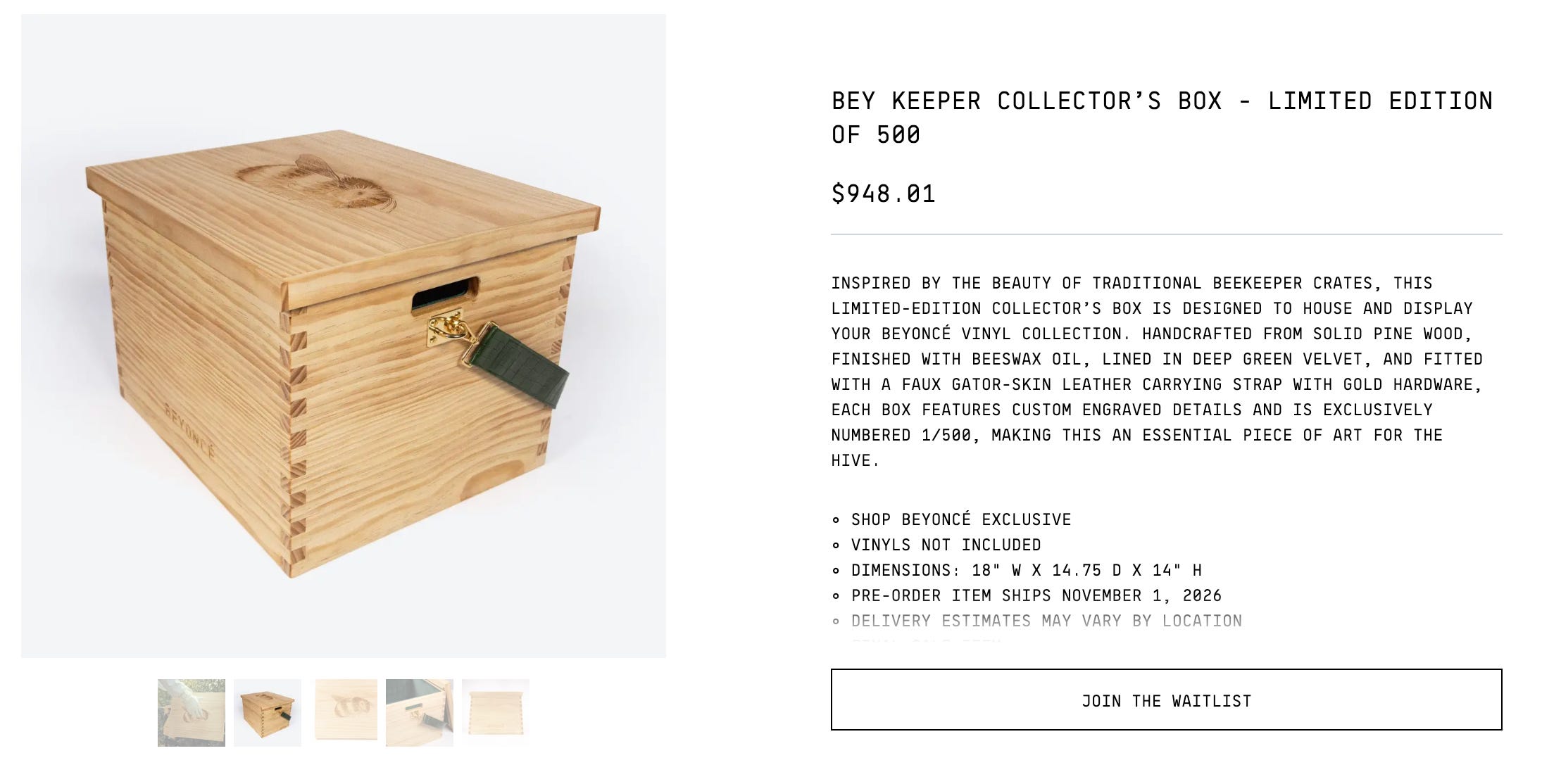
Then there’s Beyonce, who dropped a line of merch for the 20th anniversary of B’Day, which included a nearly $1,000 wooden box. The price, $948.01, was a reference to her 9/4/81 birthday. The handcrafted box is empty and limited to 500 numbered units, while the deluxe vinyl sold separately for nearly $150. One fan called it a “disgusting display of greed.” Others suggested $94.81 would have made the same birthday joke without the sticker shock.
Meanwhile, consumer sentiment is in the toilet, and consumers now expect prices to rise 4.6% over the next year, anticipating more pressure from fuel prices and trade tensions caused by the Iran war. ING noted that spending is driven by higher-income households, while sentiment reflects the average American. In other words, the stars are immune from the day-to-day working class struggle that is felt by their fans.
The Price of Ignorance
There’s nothing noble about looking away – from audience feedback nor from global atrocities. When your team becomes the filter, you lose out on valuable information, even if it might be information that is tough to swallow. Tracking sentiment in a media analysis report is different from hearing opposing thoughts and perspectives. This is part of the human experience, and opting out of it removes a piece of your humanity.
Wouldn’t you rather hear real-time feedback instead of making monstrous missteps that jeopardize, oh, I don’t know… an entire world tour?
Though the stars have retreated back to their own planet since the mid-2010s, you cannot put the toothpaste back in the tube. The audience’s own megaphone is here to stay. Celebrities need to learn how to navigate it in a healthy manner, rather than tuning it out altogether.
The Loop Tour resumes Saturday in Philadelphia with no openers and no band. His website still lists them, but I’m guessing Ed probably hasn’t checked.